
Governance & resource use
- Key issue: The type of land tenure system and shrinking of communal grazeland, affect access and availability of shared resources to livestock. Informal grazing routes and rotational grazing are some of interventions communities resort to. This is to prevent depletion, degradation and encroachment.
- Quick wins: Institutionalize and formalize Participatory Rangeland Management Committees (PRM) and recognize communal grazing systems.
- Action: Together with communities, we shall support in development of resource use planning to manage mobility, water & pasture, thus reducing overgrazing and conflicts.
Economic development
Key issues: Inefficient market information, access, value added products and livestock pricing disadvantaged pastoralist in maximizing profit in this space.
Quick wins: We support aggregation, and commercialization of livestock through producer organizations for them to earn better incomes. However, we shall support platform where sellers and buyers can interact, processors can value add, refrigeration in slaughterhouse/abattoirs as well as improving access to veterinary services
Action: Create market segments where actors order based on their preferences. We shall capacity build smallholder farmers on alternative source of income to diversify income. This includes aggregation of hides & skin, adding value to milk products).
Climate change & risk management
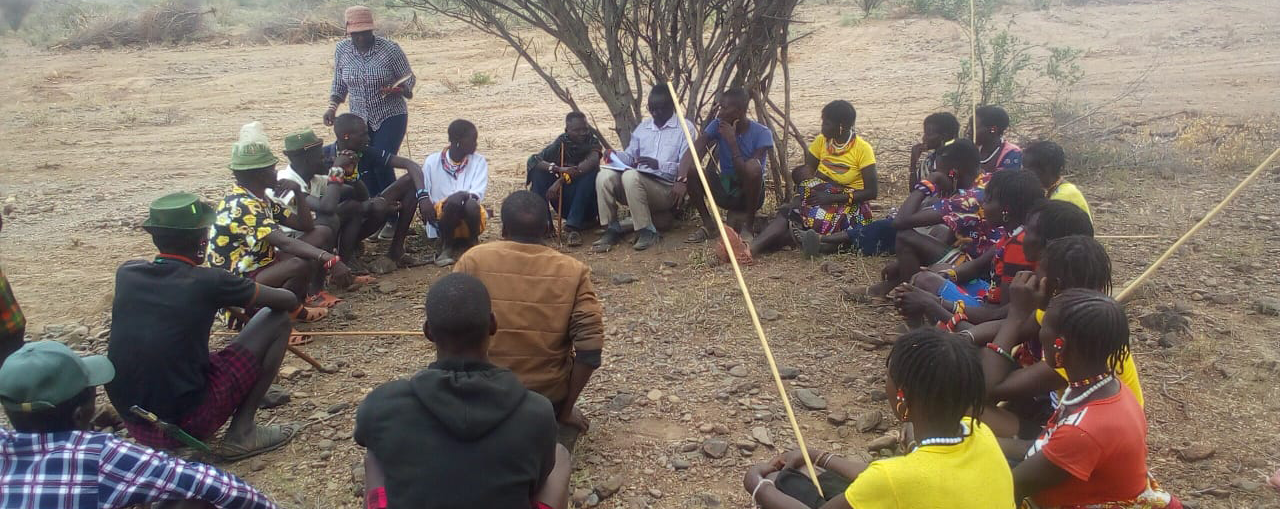
Key issue: Dryland communities are vulnerable to climate shocks and this exposes them to conflicts, displacement as well as lose of livelihoods. Activation of early messages for early action in preparedness against extreme shocks and reduce vulnerability to disasters.
Quick wins: We shall support establishment of systems that communicates on decision makers. Through participatory scenario planning, we shall have a hybrid of local knowledge and conventional science on weather forecasting. The outcome shall guide in sending key messages or in advocating for livestock insurance if need be.
Action: we shall support groups at grassroot level on pasture/fodder production, water harvesting (dams, boreholes) in readiness for dry seasons.
Empowerment & inclusivity
In livestock sector, women & youth have active role in livestock space. We shall train groups on feed formulation, breeding and enterprises in red meat value chain
Quick wins: we shall target women & youth to participate in trainings, development of toolkits, access to financial/credit facilities.
Action: our network shall create an enabling environment for business to thrive i.e producer organization and SACCO’s for credit access.
Resource influence
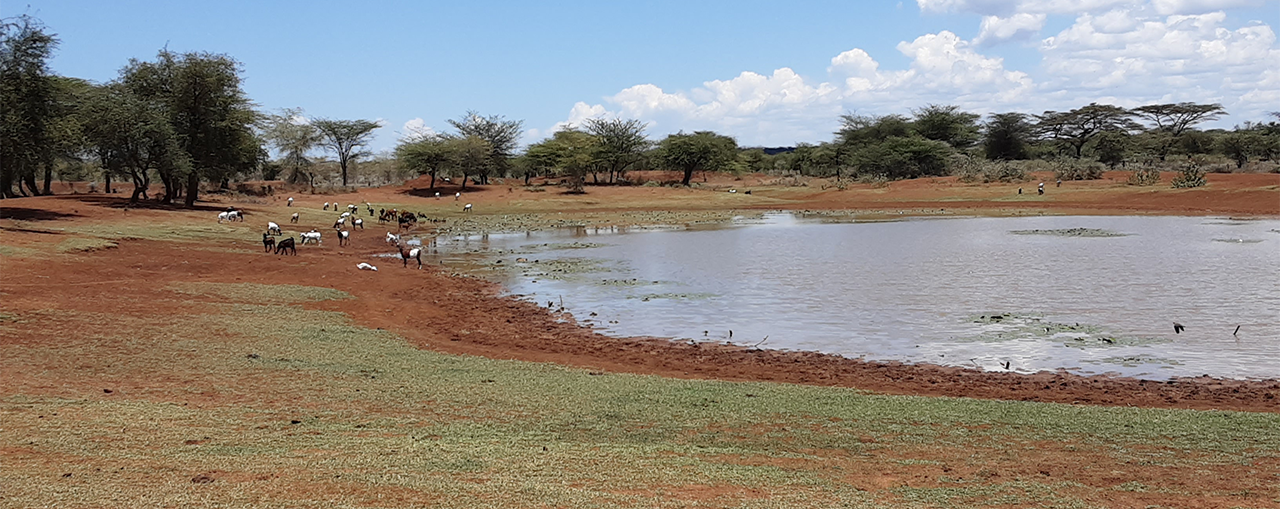
We offer a platform for collective, allowing pastoralists to have one voice and to negotiate with policymakers on their interests and concerns. We engage communities to participate in consultative forum to ensure that their interest is heard and given priority. Our network influence policies, laws and regulations that govern pastoral groups.
Capacity development:
Through public fora, print media, and social media platforms across pastoral communities. We focus on tailer make training needs, and interventions to transform the sector in a better way. We aim to build capacity of communities, policymakers and media platforms on importance of drylands, climate resilient livelihoods and the need to fight for their space.
Representation:
Having proper representation in decision making processes, governance and leadership is key at all levels of government. Our organization is at the forefront to network for decent wellbeing and a transformative idea that can bring change in the society.
Knowledge transfer:
Empowering and capacity development of communities to enhance ability see ideas differently, skills for a collective action. Our programs focuses on attitudinal change towards transformation, agribusiness, collective marketing, value addition, leadership, and empowerment across all genders.
Local knowledge:
A number of followers from pastoral communities still rely on indigenous indicators for weather forecasting. However, this knowledge shouldn’t be treated as infallible nor dismissed outright. Despite it being highly localized, its gaining attention globally from academic’ perspective yet its output doesn’t always scale to global climate systems. We shall support for integration of this knowledge with other conventional sciences.
Collaboration and networking
We shall strategically connect the herding communities in forming alliances and networks to help amplify the voices, visibility and their efforts collectively using our platform.